
Cooler Cities, Calmer Storms: Building Resilience on the Roof

Today we dive into Climate Resilience on the Roof: Cooling, Stormwater, and Green Infrastructure, exploring how rooftops evolve from passive surfaces into active urban guardians. Expect practical strategies, real stories, and research-backed insights you can adapt. Join the conversation, share your experiences, and subscribe for field notes, design checklists, and live Q&As that help you transform heat, rain, and sunlight into comfort, safety, and beauty above every street.

Why Rooftops Matter More Than Ever

Roofs occupy vast portions of cityscapes, absorbing heat, shedding runoff, and silently shaping energy bills and flood risk. By reimagining these planes with plant life, reflective materials, and water-smart layers, neighborhoods become cooler, quieter, and safer during sudden storms. This is not a luxury; it is a practical, measurable shift that lowers peak flows, extends membrane life, nurtures biodiversity, and cultivates spaces where education, health, and community bonds can flourish with every passing season.

Urban Heat, Measured On Your Shingles

On summer afternoons, conventional black roofs can run 30 to 40 degrees Fahrenheit hotter than ambient air, intensifying urban heat islands and straining HVAC systems. Replace dark surfaces with vegetation and reflective assemblies, and you encourage evapotranspiration, shade, and better albedo, often trimming indoor cooling demands. The result is comfort people actually feel—fewer hot spots, quieter compressors, and breathable evenings after long, bright days.

When Storms Arrive All At Once

Cloudbursts now dump more water in less time, overwhelming drains and pushing polluted runoff into waterways. Green and blue‑green roof assemblies hold and meter water, easing peak flows long enough for sewers to cope. That delay protects ground floors and basements, preserves street access for emergency services, and buys precious minutes for communities to respond. It transforms rooftops into calm, measured buffers between sky and street.

A Living Canopy Above Your Head

Vegetated roofs host pollinators, migrating birds, and microhabitats, making biodiversity possible where concrete once dominated. Kids learn plant cycles during recess, office workers watch butterflies at lunch, and building owners witness how seasonal color softens skylines. Over time, these spaces change behavior: more outdoor meetings, more stewardship, and more pride in shared spaces that build social resilience right alongside climate resilience.

Cooling Strategies That Actually Work

Reflectivity That Starts The Day Right

Light‑colored membranes bounce a big portion of solar radiation back to the sky, limiting heat accumulation before noon peaks. When topped with vegetation, the system’s thermal swings dampen even further, protecting insulation and seams. Thoughtful detailing—walk pads, parapet shades, and glare‑sensitive layouts—balances reflectivity with occupants’ comfort. Measured outcomes often include lower rooftop temperatures, reduced duct losses, and less mechanical fatigue throughout punishing heat waves.

Evapotranspiration As Nature’s Air‑Conditioner

Moisture held within the substrate evaporates while plants transpire, pulling latent heat from air and surfaces. Deeper media and well‑selected species magnify the effect without burdensome irrigation. Even small extensive systems can soften temperature spikes, while intensive plantings can create truly temperate microclimates. Plan for wind exposure, edge conditions, and seasonal drought to keep this invisible engine humming when neighborhoods most need relief.

Shade, Airflow, And Solar Synergy

Mount solar arrays higher above vegetated fields to boost airflow and reduce panel heat, often improving electrical output in hot months. The plants enjoy dappled shade, cutting stress. Maintenance crews benefit from cooler working conditions and better access routes. These co‑benefits—energy generation, comfort, and biodiversity—turn rooftops into multi‑purpose landscapes that are easier to champion in boardrooms, classrooms, and city council hearings alike.

Stormwater As Resource, Not Headache

Rooftops can retain and slowly release rainfall, converting chaotic torrents into measured flows that work with city infrastructure instead of against it. Retention layers, engineered media, and smart drains hold water during peak intensity, then discharge at safe rates. Some systems reuse captured water for irrigation. The result is fewer basement backups, cleaner waterways, and regulatory credits that make the business case irresistible for owners and communities.

Designing The Layers For Longevity

Structure And Load In Plain Language

Vegetated systems add saturated weight and drifted snow can amplify it. Coordinate early to confirm live loads, parapet heights, wind zones, and paver ballast. Lightweight engineered media, modular trays, and phased installation can align ambitions with safety. When owners see that diligence, approvals accelerate, operations teams trust the plan, and insurers recognize the project as disciplined rather than risky aspiration dressed in plants.

Plants That Thrive Above The Street

Vegetated systems add saturated weight and drifted snow can amplify it. Coordinate early to confirm live loads, parapet heights, wind zones, and paver ballast. Lightweight engineered media, modular trays, and phased installation can align ambitions with safety. When owners see that diligence, approvals accelerate, operations teams trust the plan, and insurers recognize the project as disciplined rather than risky aspiration dressed in plants.

Maintenance That Protects Performance

Vegetated systems add saturated weight and drifted snow can amplify it. Coordinate early to confirm live loads, parapet heights, wind zones, and paver ballast. Lightweight engineered media, modular trays, and phased installation can align ambitions with safety. When owners see that diligence, approvals accelerate, operations teams trust the plan, and insurers recognize the project as disciplined rather than risky aspiration dressed in plants.

Policy, Incentives, And The Business Case
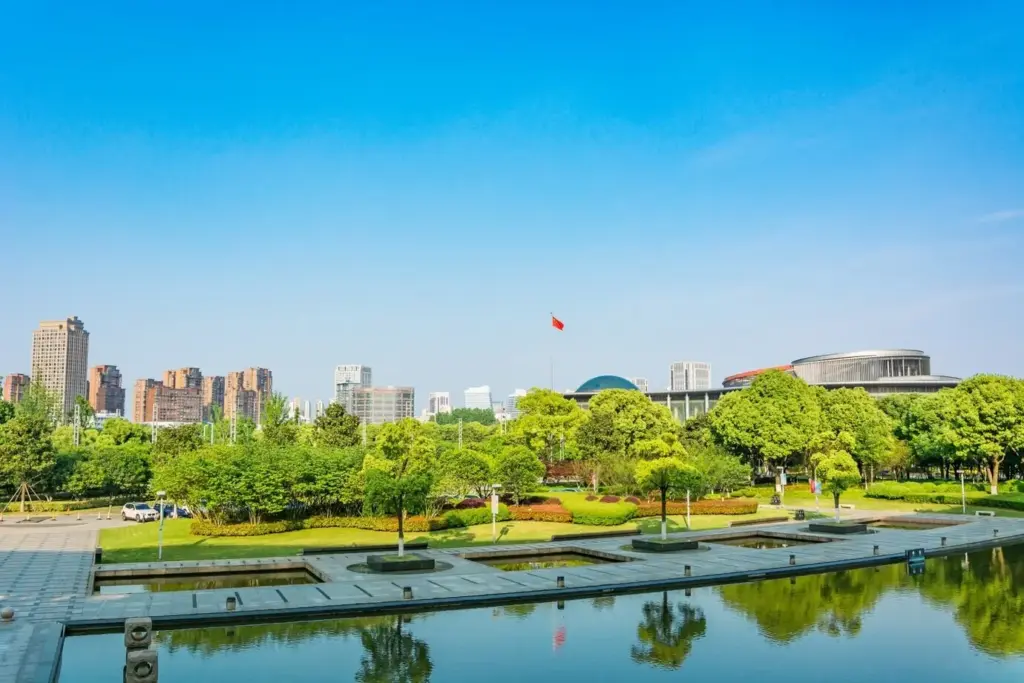
Many cities now price stormwater by impervious area and reward retention performance. Grants, tax abatements, and expedited permitting sweeten the deal, while energy savings and longer membrane life steadily compound returns. Add co‑benefits—employee wellness, biodiversity credits, community education—and the value multiplies. With transparent metrics and clear ownership, resilient rooftops move from speculative nice‑to‑have to standard practice across portfolios, campuses, and civic buildings.

Stories From Rooflines And Next Steps
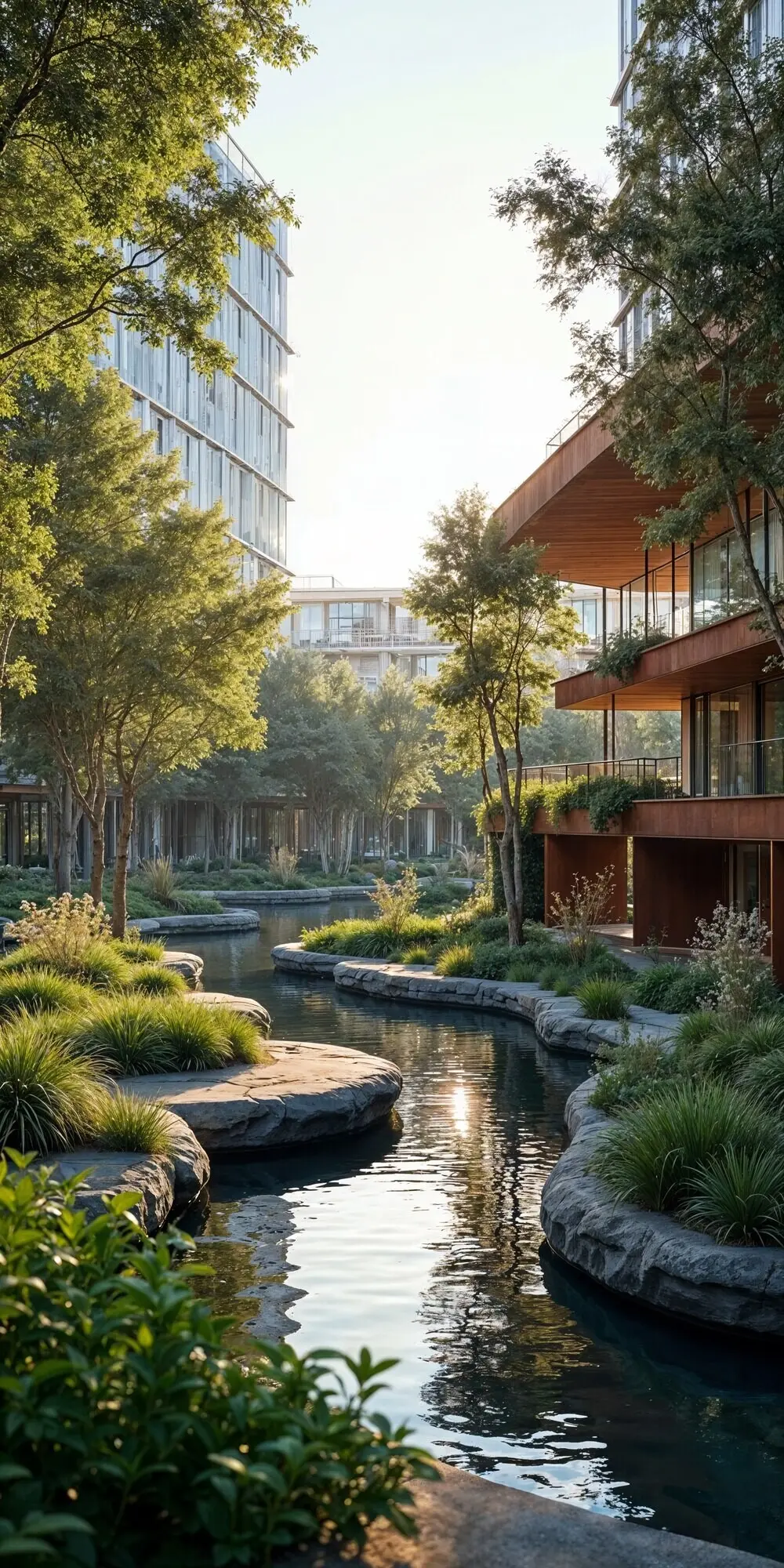
Real projects teach better than diagrams. A school meadow cooled classrooms and sparked a science club. A warehouse roof cut flood claims and made a bee corridor. An office terrace blended solar and sedums, boosting output during heat waves. Share your questions, comment with lessons learned, and subscribe for checklists, plant palettes, and live workshop invites. Together we can turn everyday rooftops into dependable neighborhood guardians.
Themilestonebuilding
Privacy Overview

This website uses cookies so that we can provide you with the best user experience possible. Cookie information is stored in your browser and performs functions such as recognising you when you return to our website and helping our team to understand which sections of the website you find most interesting and useful.