
Sky-Level Belonging: Inclusive Rooftop Places for Everyone
Today we focus on designing inclusive rooftop public spaces for all ages and abilities, celebrating places that welcome strollers and wheelchairs, teens and elders, introverts and adventure seekers. From seamless vertical access to microclimate comfort, we explore practical strategies, memorable stories, and measurable details that turn underused rooftops into equitable, climate‑savvy community commons worth visiting in every season.
Entry, Movement, and Vertical Access Without Barriers
Movement begins at the street, so comfort must travel uninterrupted to the skyline. Step‑free routes, redundant elevators, and weather‑protected ramps ensure independence even during maintenance or crowd surges. Clear queuing, generous turning radii, tactile clues, and predictable gradients invite confident navigation, while calm arrival zones offer a chance to breathe, orient, and enjoy the city’s horizon without pressure or hurry.
Comfort in the Clouds: Microclimate and Safety
Rooftops amplify sun, wind, glare, and temperature swings. Thoughtful design tempers extremes with shade, wind baffles, radiant surfaces, and planting that cools without triggering allergies. Lighting balances visibility and circadian health, while materials stay comfortable to touch in summer and winter. Safety thrives when comfort is predictable, maintenance is routine, and every user finds a spot that truly feels right.
Play, Rest, and Intergenerational Delight
Seating for Many Bodies and Moods
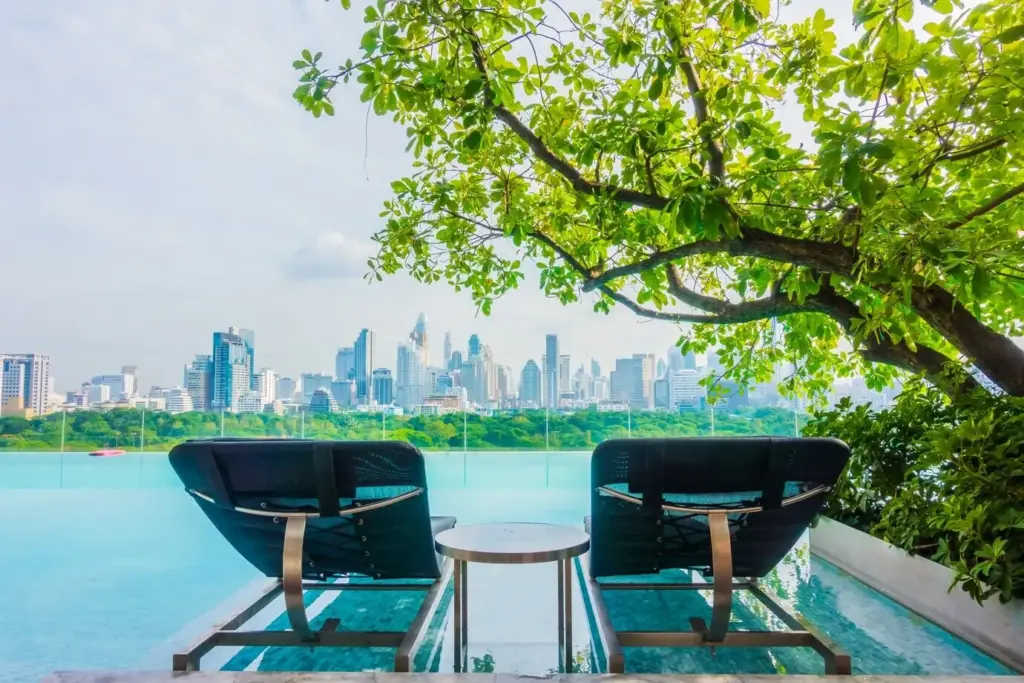
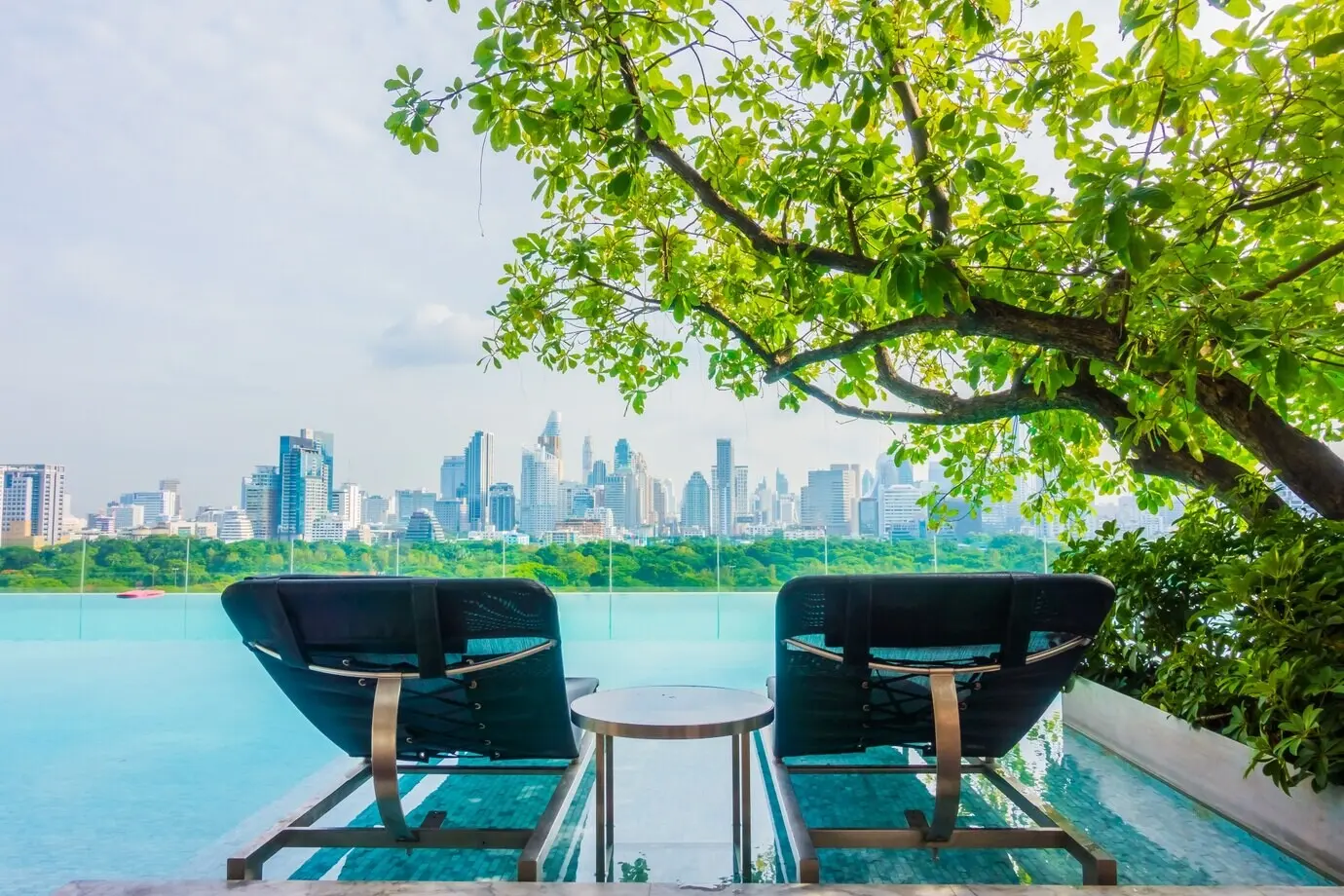
Comfort looks different for everyone. Provide armrests for stand‑assist, backrests for long conversations, and deep loungers for sunseekers. Keep spaces for wheelchairs integrated—not marginal. Movable chairs empower personal control and social flexibility. Shade, wind refuge, and nearby drinking water extend dwell time. Parents need stroller space and sightlines; teens need informal perches; readers need corners without interruption.
Universal Play That Invites Participation
Design for joining, not just watching. Tactile panels, musical elements, gentle climbing, and sensory gardens let mixed abilities participate side by side. Smooth approaches, low transfer heights, and clear runouts protect dignity and confidence. Provide quiet recovery spots close to activity, so no one travels far to reset. Intergenerational games—giant chess, storytelling tiles—spark connection across ages with joyful ease.
Quiet Nooks Beside Active Zones
Balance is everything. Place calm alcoves adjacent to lively areas so caregivers and friends can remain near without sensory overload. Acoustic panels, planting mass, and soft surfaces reduce bounce and echo. Smaller, partially enclosed benches offer retreat without isolation. Transparent sightlines maintain security, while subtle signage normalizes breaks: pausing is participation, and choosing quiet is welcomed, not penalized.
Material Choices and Details People Feel
Every surface communicates. Underfoot textures broadcast safety; handrails tell stories through temperature and grip; colors cue decisions and memories. Choose durable, non‑slip materials with clear contrast, forgiving acoustics, and tactile feedback. Details like curb cuts, drain grates, and joint alignment become invitations or obstacles, shaping whether a visit feels intuitive, empowering, and delightful—or tentative and exhausting.

Programs, Operations, and Community Stewardship
Great places are co‑authored. Early workshops with seniors, youth, caregivers, and disability advocates uncover barriers and latent dreams. Operations—hours, staffing, equipment loans, and maintenance—sustain trust long after ribbon‑cutting. Invite stories, host inclusive events, and measure what matters. Share your ideas, questions, and lived experiences; subscribe to follow prototypes, pilot programs, and community‑led improvements taking shape on real rooftops.
Resilience, Codes, and Practical Feasibility
Dreams meet reality in structure, waterproofing, life safety, and budgets. Loading limits, parapet height, fire access, and egress capacity shape possibilities. Green roof assemblies protect membranes and manage stormwater, while modular elements support phased growth. Track outcomes—attendance, comfort surveys, accessibility audits—to steer iterations. Feasible design is not compromise; it is the engine that keeps access truly universal.